Call Us: 954-371-1370 Email: info@powerfenceinc.com 902 SW 2nd Place, Pompano Beach, FL 33069
Licensed & Insured - Broward Lic. 20-F-21831-X
Palm Beach Lic. U-22529

Coconut Creek - Broward County

Coconut Creek
Fence Company

From family neighborhoods and HOA communities to pool enclosures, fence replacements, custom gates and landscaped property lines, Power Fence helps Coconut Creek homeowners navigate the fencing process from estimate to final inspection.

20+ yrsServing South Florida
500+Five-star reviews
Licensed & InsuredBroward + Palm Beach

Before you install

What homeowners should know before installing a fence in Coconut Creek.

Coconut Creek fence rules vary by where the fence sits, what it borders, and whether the property has a sidewalk, a buffer, a corner condition or a different zoning category. Here's how the rules actually work, in plain English, with the dimensions that matter when we plan a project — from height limits and front-yard restrictions to corner setbacks, sidewalk landscaping, decorative-side orientation, buffer areas and nonresidential standards.

01

Coconut Creek residential fence height

Residential fences in Coconut Creek are generally limited to 6 feet. Side and rear yard fences sit at that ceiling — the front yard is treated differently and gets its own module.

Residential fences in Coconut Creek are generally limited to 6 feet in height.
  • Side yard — 6′ maximum
  • Rear yard — 6′ maximum
  • Front yard — generally not permitted (see Module 02)
Fig. 01 — Residential lot, top-down view

02

Front yard fence limitations

Coconut Creek generally does not permit fences or walls within required front yards. There's a narrow exception for agricultural zoning, which permits fencing only at least 15 feet from the right-of-way.

Front yard fence placement requires extra review in Coconut Creek.
  • Residential — front yard fencing generally not permitted
  • Agricultural exception — 15′ setback from right-of-way
  • Other exceptions handled on a case-by-case basis with the city
Fig. 02 — Front yard restricted area
03

Corner lot & street-side setbacks

Residential corner or street-side fences in Coconut Creek must be set back 5 feet from the right-of-way line or access easement.

Corner and street-side fences must be planned carefully because Coconut Creek requires a 5-foot setback from the right-of-way or access easement.
  • 5′ setback from the right-of-way or access easement
  • Applies to side fences facing a street on corner lots
  • Verified against the survey before submittal
Fig. 03 — Corner lot setback, top-down view
04

Sidewalk landscaping requirement

When a sidewalk runs along a property, Coconut Creek requires shrubs or hedges placed along the outside of the fence. Plant size matters — minimum height and spread are part of compliance.

The fence may not be the only item required. Landscaping can be part of code compliance.
  • 24″ minimum shrub height
  • 18″ minimum shrub spread
  • Planted on the outside of the fence (sidewalk side)
Fig. 04 — Sidewalk landscaping, top-down view
05

Decorative side faces out

Coconut Creek requires that the decorative side — the finished face — of a fence or wall faces the outside limits of the property: the street and the neighbors, not your yard.

Fence orientation matters during installation.
  • Decorative side faces the street and neighbors
  • Posts & rails face inside your property
  • Material and orientation reviewed at inspection
Fig. 05 — Fence orientation, plan view
06

Required buffer areas

For residential and nonresidential parcels alike, walls or fences in required buffer areas can't be closer than 15 feet from the perimeter or right-of-way.

Buffer areas can affect where a fence can be installed.
  • 15′ minimum from perimeter or right-of-way
  • Applies in required buffer areas (commonly at parcel edges)
  • Verified during survey review & site plan
Fig. 06 — Required buffer, top-down view
07

Nonresidential & recreational fences

Different property types and uses have different maximum fence heights. Standard residential is 6 feet; nonresidential is 8 feet; accessory game-court or athletic fencing may go higher.

Commercial and recreational fencing is reviewed differently than standard residential fencing.
  • Residential — 6′ maximum
  • Nonresidential — 8′ maximum
  • Game court / athletic — up to 10′ (higher for racquetball / handball)
Fig. 07 — Fence heights by use, elevation

The short version

Coconut Creek fence rules, at a glance.

The numbers we plan around on every Coconut Creek project. Every site is different — these are the typical starting points.

6′Residential
maximum
8′Nonresidential
maximum
10′Game court
maximum
5′Corner / street-side
setback
15′Required buffer
from perimeter
15′Agricultural
front yard exception
24″Sidewalk shrub
minimum height
18″Sidewalk shrub
minimum spread
Faces OutDecorative side faces the street & neighbors
Not AllowedBarbed wire in residential districts

After you sign

What happens next.

From your first estimate to final inspection, every step has a real person attached to it — and we tell you exactly where your project is.

  1. 01 - Estimate & Site Visit

    We visit the property, discuss goals, measure the area and walk corner-lot, buffer, sidewalk and landscaping conditions.

  2. 02 - Survey & Documentation

    We review the survey, property lines, easements, rights-of-way, buffer edges and proposed fence layout.

  3. 03 - HOA & Permit Coordination

    Nikki runs the application through Coconut Creek and your HOA so you never deal with the building department directly.

  4. 04 - Approval Complete

    Permits in hand, HOA letter on file, materials ordered and install date scheduled.

  5. 05 - Installation

    Our own crews install — never unlicensed subs. Site is cleaned daily.

  6. 06 - Final Inspection

    We meet the city inspector on-site and close the permit. You get the final paperwork.

  7. 07 - Warranty & Support

    Manufacturer warranties on materials, our own workmanship guarantee and a real number to call.

Nikki, Permit Coordinator

Meet your project liaison

Nikki

HOA & Permit Coordinator

Nikki runs the back-of-house side of every Coconut Creek project — submitting plans to the city, working with HOAs on color and material approvals, coordinating surveys, landscape and buffer documentation, and scheduling inspections. She's the one keeping your project moving while our crews and you focus on the install itself. If you ever wonder where things stand, she's the person to call.

Local knowledge makes a difference

Coconut Creek projects reward good planning.

Coconut Creek is a community that takes appearance seriously — HOAs, landscape requirements, sidewalk plantings, buffers and long-term maintenance all factor into how a fence performs over time. Plans that respect those conditions get approved faster and last longer. Most of the work we do here is for people who plan to stay, so we plan for the long view: how the install looks in year one and in year ten.

  • HOA communities
  • Family neighborhoods
  • Pool properties
  • Landscape requirements
  • Sidewalks & street-side lots
  • Fence replacements
  • Long-term property maintenance
  • Community appearance standards

Different parts of town, different plans

Coconut Creek is not one market.

Five areas we plan around most often. Each comes with its own conditions — HOA review, family-property scale, gated-community standards, sidewalks and landscaped property lines — that shape the project plan well before we talk materials.

South - Family

Winston Park

  • Family homes
  • Pool projects
  • Fence replacements
North - HOA

The Township

  • HOA considerations
  • Community appearance
  • Property improvements
West - Gated

Regency Lakes

  • Gated community planning
  • HOA review
  • Backyard improvements
Central - Mixed

Coconut Creek Parkway area

  • Mixed property types
  • Street-side visibility
  • Commercial & residential transitions
East - Corridor

Lyons Road corridor

  • Larger communities
  • Sidewalks & landscaping
  • Long-term maintenance

Coconut Creek project spotlights

Recent jobs.

A representative cross-section of the work we do in Coconut Creek — each one with its own constraints, its own approvals, its own outcome.

Wood
01 - Wood project

Shadowbox Wood Upgrade

Project

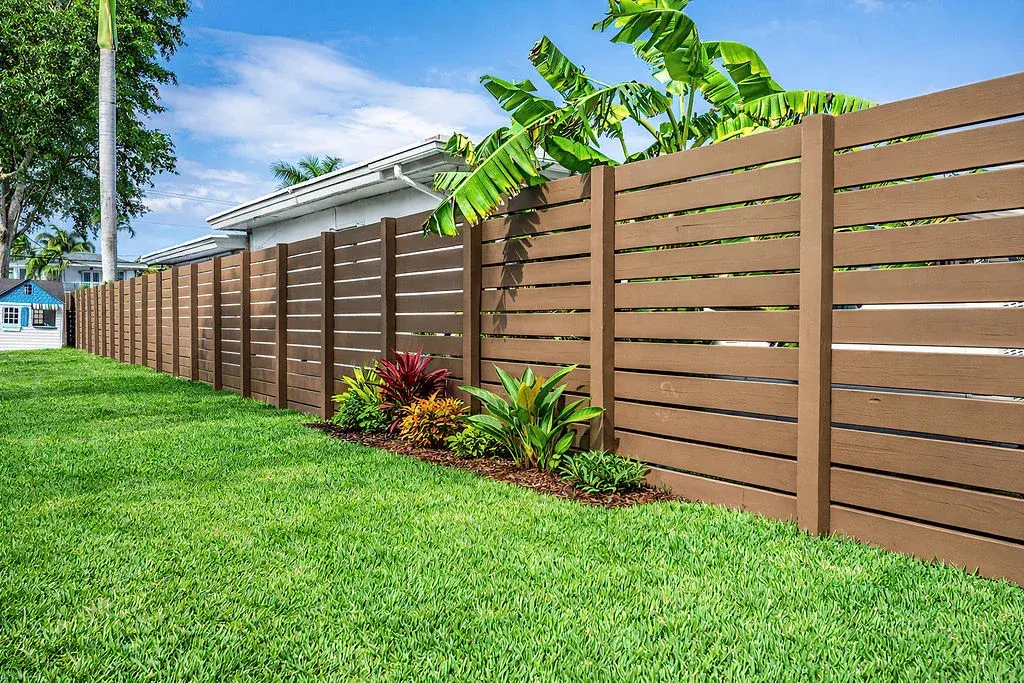
A shadowbox wood upgrade built for warmer privacy and a more natural property edge.

Case Study ->
Chain link
02 - Chain link project

Chain Link Upgrade

Project

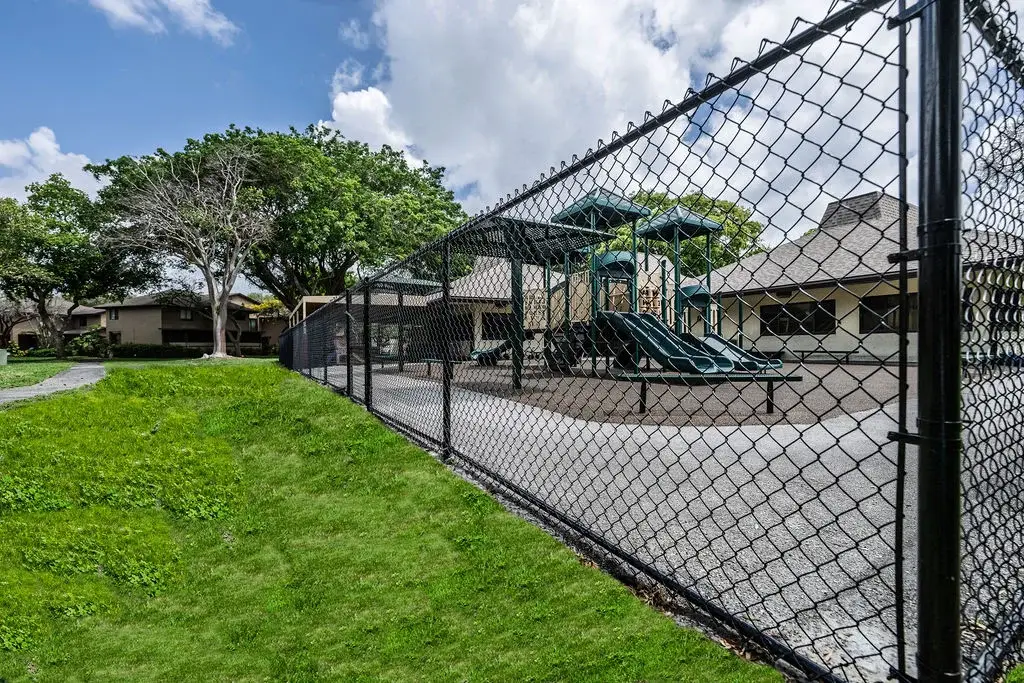
A commercial chain link playground fence project focused on safety, visibility and durability.

Case Study ->
PVC lattice
03 - PVC lattice project

White PVC and Lattice Top PVC

Project

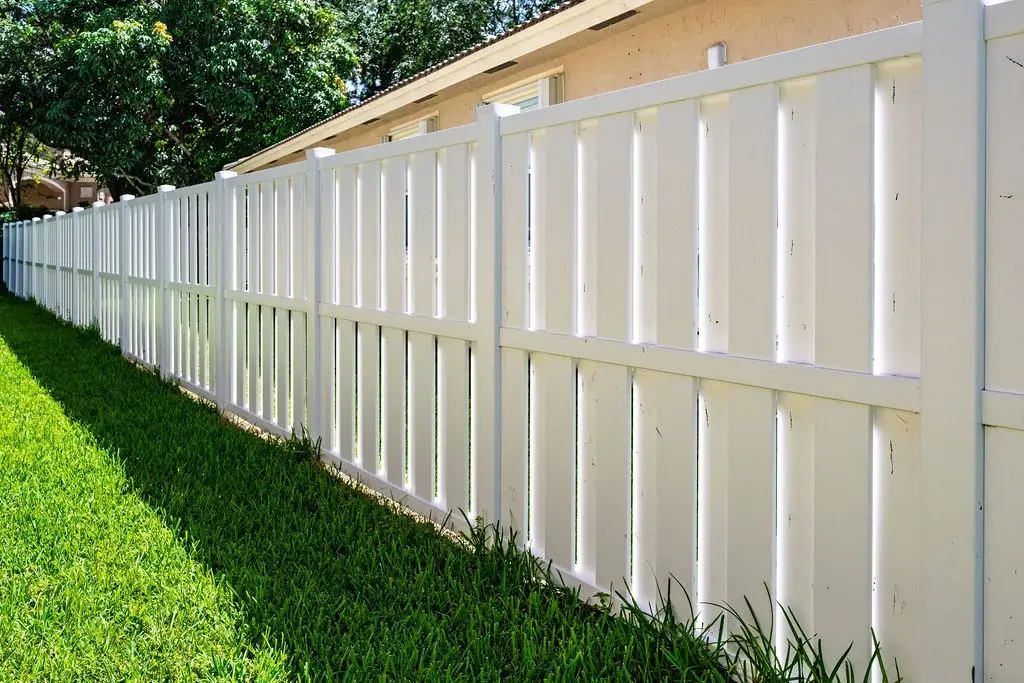
White PVC and lattice-top sections combined for privacy with a lighter decorative finish.

Case Study ->

Fence solutions for Coconut Creek

Every material we install.

No "preferred" Coconut Creek fence material here — the right answer depends on lot size, HOA requirements, sidewalk and buffer conditions, pool-barrier needs, privacy goals, maintenance expectations and budget. We talk through every option and recommend what fits the property.

01

Vinyl Fencing

Explore
02

Aluminum Fencing

Explore
03

Wood Fencing

Explore
04

Chain Link Fencing

Explore
05

Composite Fencing

Explore
06

Gates & Automation

Explore
07

Commercial Fencing

Explore
More

Not sure which?

Get a free estimate

Permits & approvals

We help navigate the process.

Permit coordination, surveys, site plans, documentation, HOA approvals, sidewalk-landscaping and buffer documentation, inspection scheduling and final closeout — handled. You're on the project, not the paperwork.

Nikki

Coordinator

Nikki handles every Coconut Creek permit submission and HOA package end to end.

  1. 01

    Property surveys

    If you don't have a recent survey, we coordinate one. Required for any fence permit.

  2. 02

    Site plans

    Drawn to scale, showing fence location, height, materials, gates, setbacks and buffer edges where applicable.

  3. 03

    Permit coordination

    We submit to Coconut Creek, respond to comments and chase approvals — you never log into a portal.

  4. 04

    HOA approvals

    Architectural-review packages with color, material and elevation samples your board can sign off on.

  5. 05

    Landscape & buffer documentation

    Sidewalk shrub specs and required buffer dimensions verified before submission so inspections clear on first visit.

  6. 06

    Inspection & closeout

    We meet the inspector on-site, walk the install, close out the permit and send you the final paperwork.

Good to know

Coconut Creek fence questions.

Straight answers to what Coconut Creek homeowners ask us before every project. Still wondering something? Just call — we're happy to talk it through.

How tall can a fence be in Coconut Creek?

Residential fences are generally limited to 6′. Nonresidential fences go to 8′, and accessory game-court or athletic fences may go up to 10′, with limited exceptions for racquetball or handball courts.

Can I install a fence in my front yard?

Generally no — fences and walls are not permitted within required front yards. The only common exception is agricultural zoning, where a fence may be permitted if it sits at least 15′ from the right-of-way.

What is the 5-foot setback rule?

On corner lots and street-side conditions, the residential fence has to be set back 5′ from the right-of-way line or access easement. We verify this against the survey before submitting the permit.

Do I need landscaping along my fence?

If a sidewalk runs along your property, yes — Coconut Creek requires shrubs or hedges placed along the outside of the fence, minimum 24″ in height and 18″ in spread. The fence and the planting are both part of compliance.

Which side of the fence faces out?

The decorative side — the finished face — has to face the outside limits of the property: the street and your neighbors. Posts and rails stay on your side. This is reviewed at inspection.

Are barbed wire fences allowed?

Barbed wire and similar materials are not permitted in residential districts. Limited exceptions exist for construction sites, public utility sites and essential public services.

Can I install a fence near a sidewalk?

Yes, but with conditions. Sidewalk-adjacent fences trigger the shrub-planting requirement on the outside, and required buffer areas can put the fence at least 15′ from the perimeter or right-of-way.

Do HOA communities require approval?

In Coconut Creek, almost certainly yes. Most HOA communities have their own architectural review covering color, material, picket spacing and post caps. We assemble the ARC package with elevation samples your board can sign off on.

How long does permitting take?

It varies with Coconut Creek's queue, HOA review windows and whether the project needs revisions. Nikki gives you a realistic window up front and keeps you posted at each step rather than promising a date we can't hit.

Have a question we didn't cover?

Ready when you are

Work with a fence company
that understands Coconut Creek.

Whether you're replacing an aging fence, planning around an HOA, installing a pool enclosure, or working through landscaping and setback requirements — Power Fence can guide the process from estimate to final inspection.

Financing available

Fence now. Pay over time.

Power Fence can help customers explore monthly payment options through Wisetack for eligible fence, gate, and railing projects.

UP TO 25K ELIGIBLE PROJECTS Fast customer prequal No prepayment penalty

Ask about financing

Financing subject to credit approval. Payment options are provided by Wisetack lending partners.