
Photo Eyes
NON-CONTACTInfrared beams across the opening. If anything breaks the beam, the gate will not close - it stops and reverses immediately.
Gates & Automation
A modern gate is not a motor on a fence - it is a coordinated network of operators, sensors, loops, and logic that opens, closes, and protects everything in its path. Follow the full sequence below, then explore every component.
How An Automated Gate Actually Works
Run the full eight-step cycle - from a code at the keypad to a safety reversal - or step through it yourself. Tap any highlighted part of the diagram to learn what each component does.
A resident enters an access code on the keypad. The keypad illuminates and the request travels through the wiring to the control board.
Tap any highlighted part of the diagram above - or a chip on the right - to learn what each component does.
Understanding Gate Safety Systems
Modern gate systems are networks of safety devices designed to prevent injury and property damage. Each one watches a different part of the opening.
Infrared beams across the opening. If anything breaks the beam, the gate will not close - it stops and reverses immediately.
A pressure-sensitive strip on the gate's leading edge. The moment it touches an object, it compresses and the gate instantly reverses.
A wire loop buried beneath the driveway. It detects a vehicle leaving the property and automatically opens the gate - no button needed.
Many homeowners have never heard of it - yet it is one of the most important safety devices in modern gate automation. It prevents the gate from moving while a vehicle sits inside the gate's travel path.
Without a properly installed shadow loop, a gate could attempt to move while a vehicle remains within the danger zone.
Why Proper Installation Matters
The operator is one part of the system. The quality of the installation determines whether everything performs reliably and safely for years. Ten decisions made before the motor ever turns:
Matched to the gate's weight, length, and daily cycle count.
Heavier gates demand more torque and sturdier mounting than they look.
Solid gates act like sails; the operator and posts must handle the force.
Loops set at the right depth and distance to detect vehicles reliably.
Photo eyes and edges positioned to cover the real danger zones.
Footings and posts engineered to carry the gate without sag or shift.
Proper conduit, grounding, and surge protection for stable operation.
Grading that keeps water away from operators and buried loops.
Force limits, timing, and access logic tuned to the specific site.
Every sensor and reversal verified before the system is handed over.
What Can Go Wrong
When the design or installation is wrong, the equipment gets blamed. These are the patterns we are called in to fix.
The Cost Of Getting It Wrong
Most gate failures do not happen because the equipment was bad. They happen because the system was improperly designed, improperly installed, or improperly programmed.
A redo is rarely just a new motor. It can mean re-pouring concrete, rerunning electrical, and rebuilding the gate - on top of the original cost. Here are the realistic outcomes when it goes wrong:
Our Approach To Gate Design
Every gate system should begin with engineering and planning - not a part number. This is the order we work in:
The goal is not to install a motor. It is to create a complete gate system that operates safely, reliably, and predictably for years.
Automating Your Gate
We handle the full conversion. We evaluate your existing gate, pour a proper concrete pad for the operator, install the motor and access controls, wire and place the safety devices, then program and test the entire system before we hand it over.
We assess your existing gate, weight, and layout.
A proper foundation and mounting for the operator.
The motor and gearbox, sized to your gate.
Keypad, intercom, or remote - your choice.
Photo eyes, loops, and safety edge as needed.
Timing, force limits, and a full safety check.
Final pricing depends on your gate's size and weight, the access control and safety devices you choose, and site conditions such as electrical runs and drainage.
Gates We've Built
8 projects
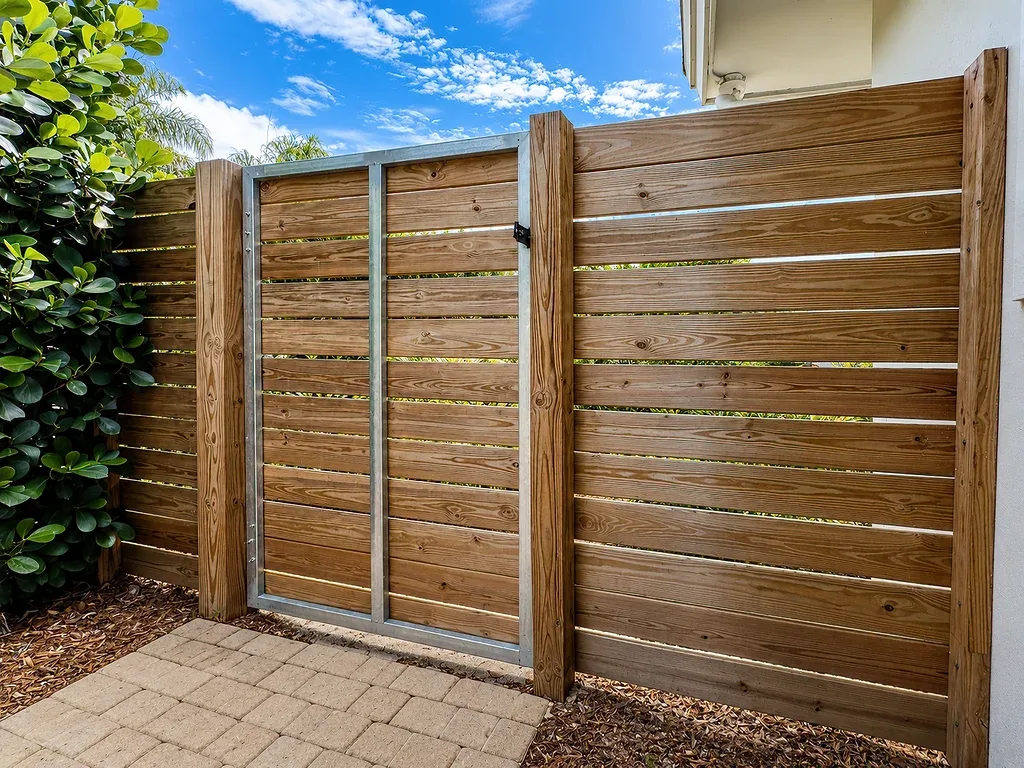
A Power Fence gates project in Fort Lauderdale, including the design choices, installation details and finished result.
View case study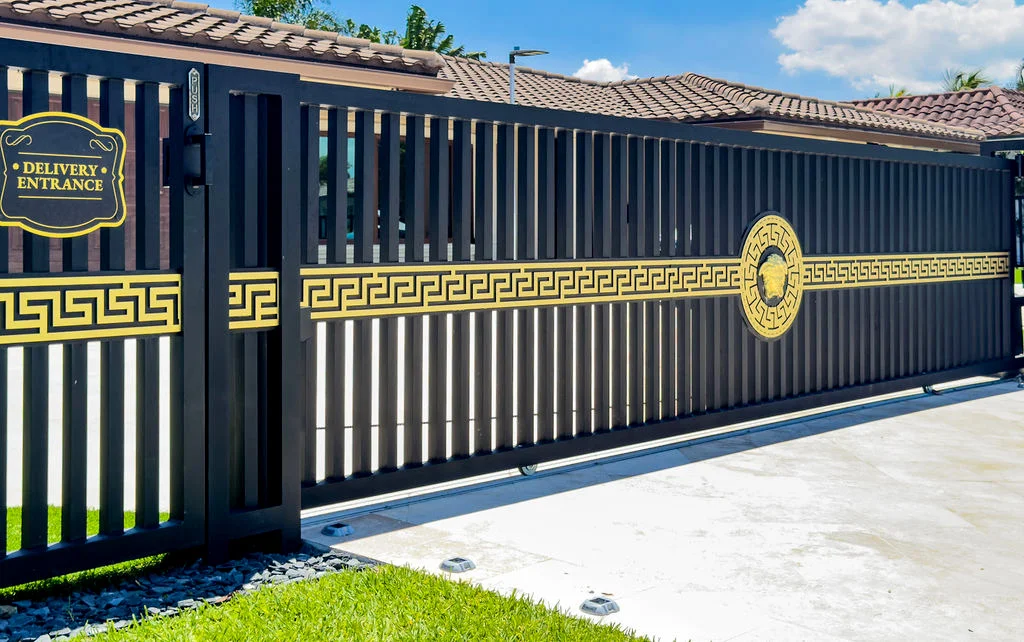
A Power Fence gates project in Lighthouse Point, including the design choices, installation details and finished result.
View case study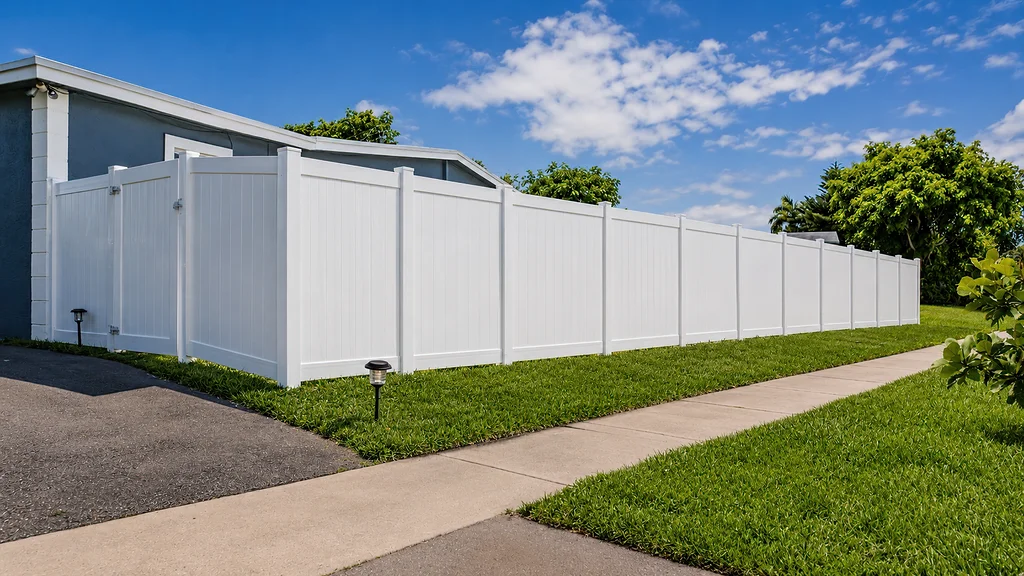
A Power Fence gates project in Margate, including the design choices, installation details and finished result.
View case study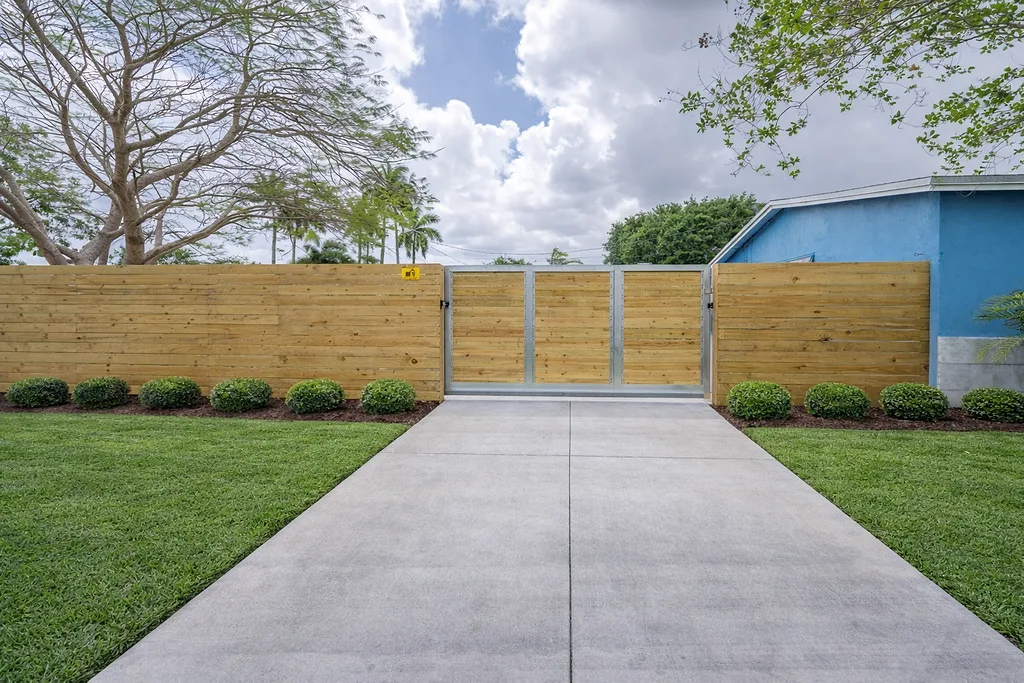
A Power Fence gates project in Margate, including the design choices, installation details and finished result.
View case study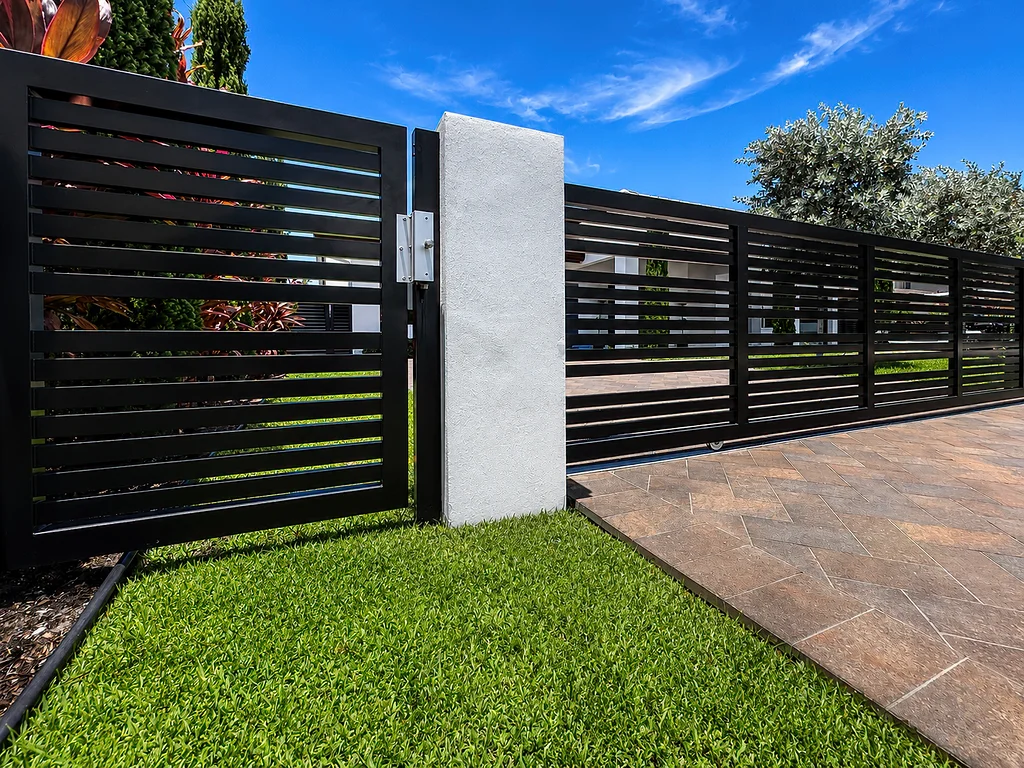
A Power Fence gates project in Pompano Beach, including the design choices, installation details and finished result.
View case study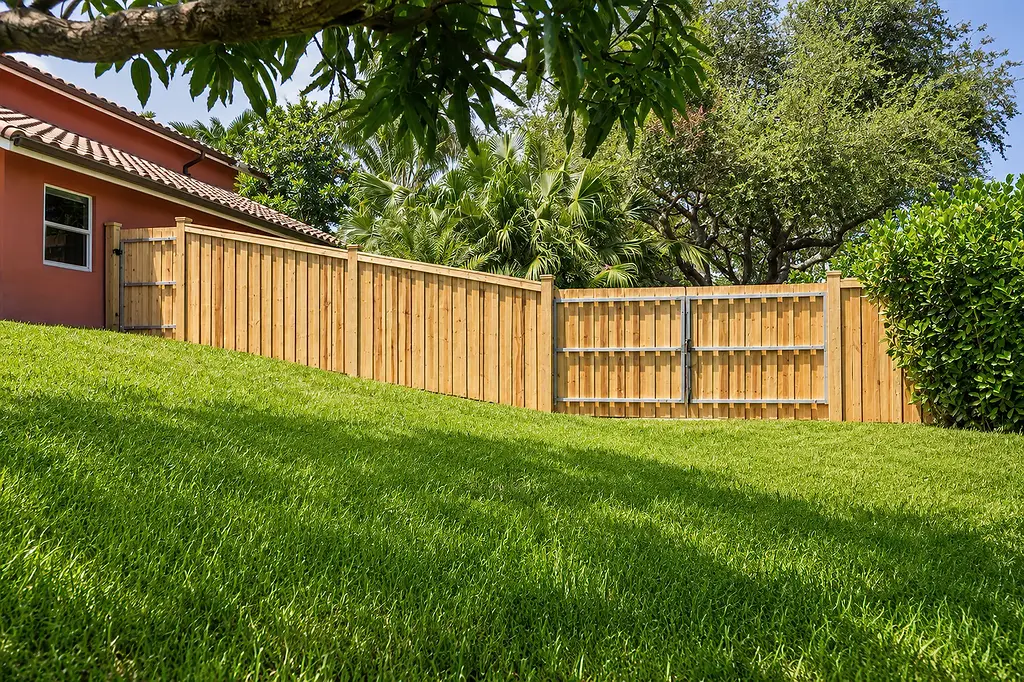
A Power Fence gates project in Southwest Ranches, including the design choices, installation details and finished result.
View case study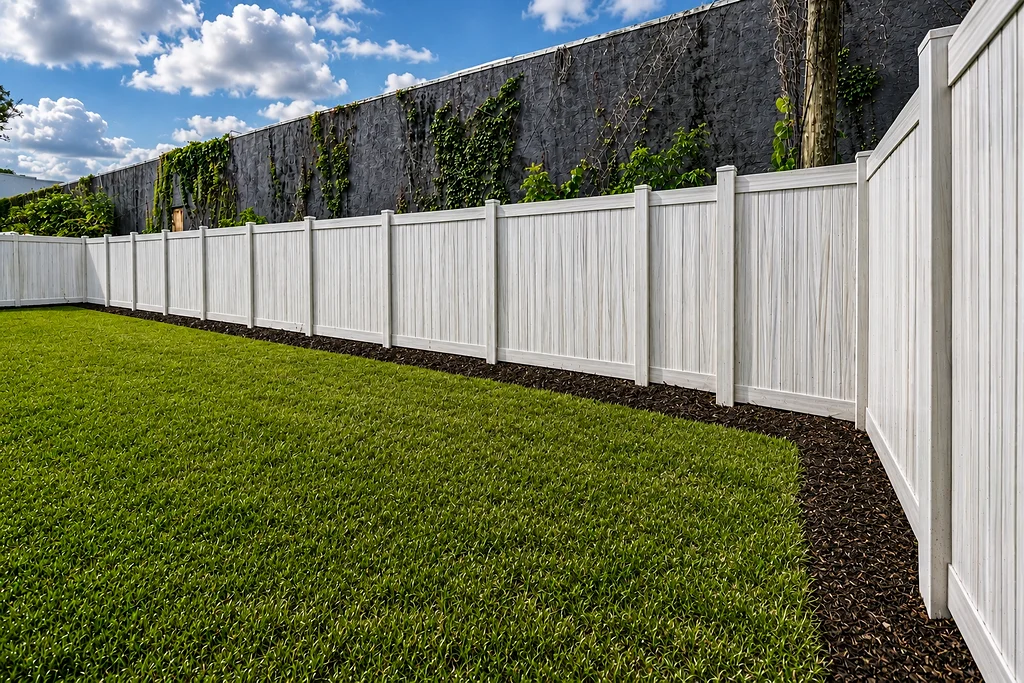
A Power Fence gates project in Wilton Manors, including the design choices, installation details and finished result.
View case study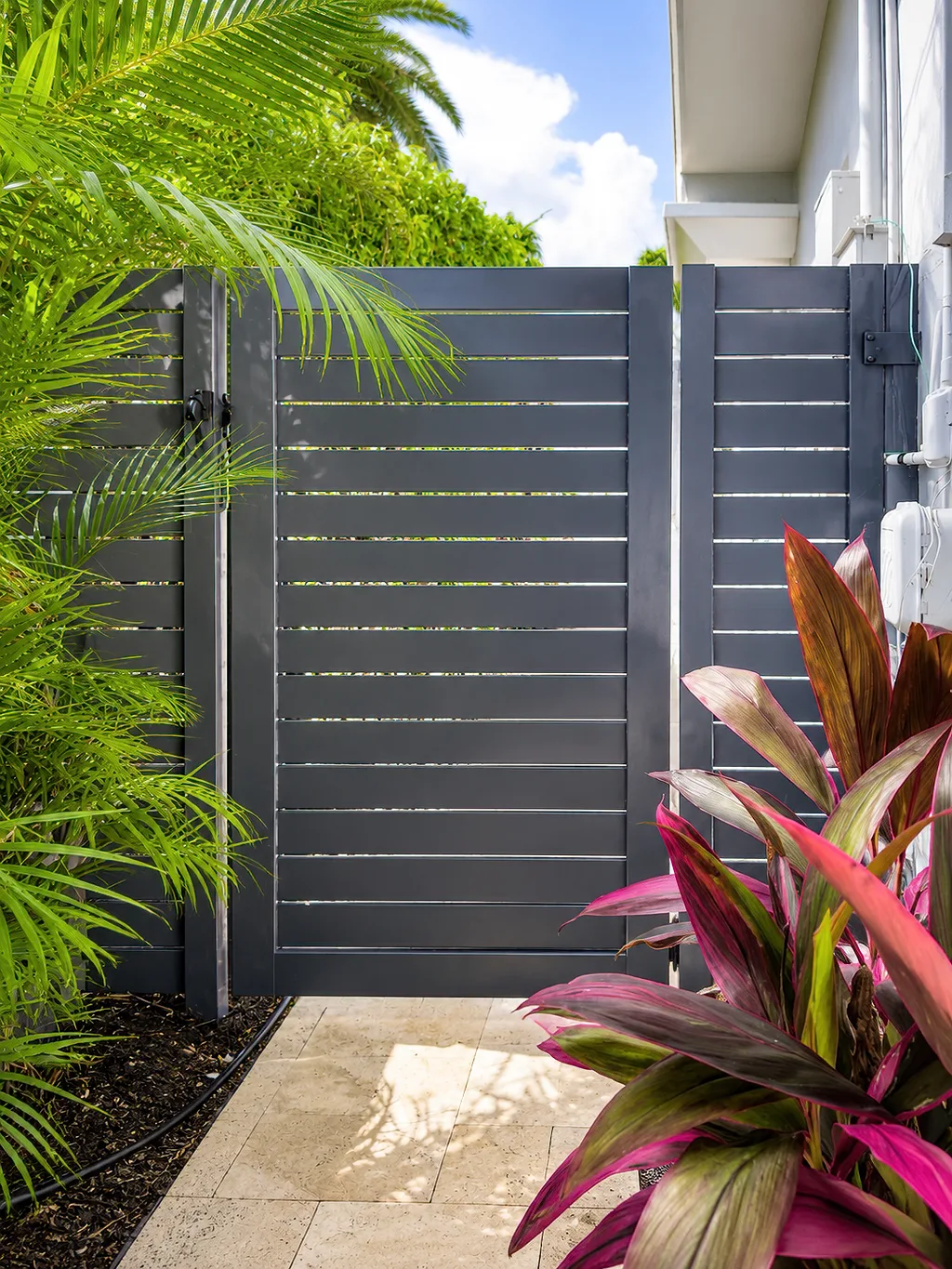
A Power Fence gates project in Wilton Manors, including the design choices, installation details and finished result.
View case studyNo case studies match these filters.
Gates & Automation FAQ
The questions we hear most from homeowners across Broward and Palm Beach - answered plainly.
Often, yes. We evaluate the gate's weight, length, and condition. If it is sound and properly hung, we match it with the right operator. If it sags or was never built for automation, we will tell you what needs to change first.
Not always. Many existing gates can be automated, but a gate built only for manual use sometimes needs reinforcement or rehanging so it can cycle reliably for years.
It depends on your driveway. Swing gates need clear arc space; slide gates need room to travel alongside the fence. Slope, width, and drainage all factor in, and we recommend the type that fits your site.
Most residential automations are done in one to a few days once materials and any concrete work are ready. Curing time for a new pad can add to the schedule.
Most residential systems start around $2,500 - including the operator, concrete pad, access control, and a remote. Final pricing depends on gate size and weight, the devices you choose, and site conditions.
Gate weight and length, the operator class, your access controls (keypad, intercom, app), the safety devices required, and the electrical run from your panel to the gate.
Yes. We pour the operator pad and manage the wiring, grounding, and surge protection as part of the installation.
Some municipalities require permits or inspections for gate operators and electrical work. We will let you know what your jurisdiction requires.
At minimum, photo eyes that stop and reverse the gate when the opening is blocked. We add safety edges and loops - including a shadow loop - based on your gate type and layout.
It prevents the gate from moving while a vehicle sits in the gate's travel path. For slide gates especially, it is one of the most important safety devices in the system.
With battery backup, the gate keeps operating for a number of cycles. Without it, most operators can be released manually, so you are never locked in or out.
Yes. Properly placed photo eyes and safety edges detect obstructions and reverse the gate. Correct placement is what makes that reliable.
A keypad code, remote, intercom, vehicle exit loop, or a smartphone app - used on their own or in combination.
With a WiFi module, you can open the gate, grant guests access, and review activity from anywhere.
Periodic checks of the safety devices, hinges or rollers, and operator hardware. We walk you through it and offer ongoing service.
Yes. We program, test, and stand behind the systems we install across Broward and Palm Beach.
Talk to someone who actually installs these systems - not a call center.
Site evaluation, weight and wind-load calculations, safety device placement - engineered before any equipment is ordered.
Financing available
Power Fence can help customers explore monthly payment options through Wisetack for eligible fence, gate, and railing projects.