Call Us: 954-371-1370 Email: info@powerfenceinc.com 902 SW 2nd Place, Pompano Beach, FL 33069
Licensed & Insured - Broward Lic. 20-F-21831-X
Palm Beach Lic. U-22529

Parkland · Broward County

Parkland
Fence Company

From HOA communities and estate-sized lots to pool enclosures, custom gates, fence replacements and permit coordination — Power Fence helps Parkland homeowners navigate the process from estimate to final inspection.

20+ yrsServing South Florida
500+Five-star reviews
Licensed & InsuredBroward + Palm Beach

Before you install

What homeowners should know before installing a fence in Parkland.

Most Parkland fence projects are planned with a long horizon — bigger lots, HOA communities, pools, and owners who intend to stay. That makes the planning worth doing properly. Parkland's rules concentrate on a handful of specific things: how tall a fence can be and where, what happens near a driveway, what an easement means for your fence line, what a connection to a neighbor's fence requires, and how a pool barrier is judged. Here's each of those in plain English, with the measurements that matter.

01

How tall, and where

Height in Parkland comes down to two questions: which yard the fence sits in, and what's on the other side of the line. Required yards generally allow 6 feet; the front yard in the RS districts is held to 4; and a line shared with agricultural or non-residential property can go to 8.

Fence height depends on where the fence is located and what property borders yours.
  • Front yard · RS-1 through RS-4, BCRS-3 — 4′ maximum
  • Side yard — 6′ maximum
  • Rear yard — 6′ maximum
  • Agricultural or non-residential adjacency — up to 8′
  • Measured from — finished grade or adjacent street centerline, whichever is higher
Fig. 01 — Residential lot

02

The 10-foot visibility rule

Where a driveway meets the street — or where two streets meet — Parkland measures 10 feet back along each line and holds everything inside that triangle to two feet. It's the rule that most often reshapes a fence layout near the front of the property.

Visibility requirements often affect fence placement near driveways and corners.
  • Triangle legs — 10′ along each line
  • Maximum height inside — 2′
  • Applies at — driveway/street and street/street intersections
Fig. 02 — Driveway visibility triangle
03

Easement planning

On larger Parkland lots, utility and drainage easements frequently run along the exact lines a fence wants to follow. You can often fence across one — but the utility's access rights survive whatever gets built on top of them, and the city wants that acknowledged in writing before the permit is issued.

Easements can affect where a fence can be installed and what paperwork is required.
  • Hold harmless letter — may be required for easement work
  • Access — must be preserved; removable panels detailed
  • Survey — establishes where the easement actually falls
Fig. 03 — Easements on a site plan
04

Connecting to a neighbor's fence

Tying your new fence into an existing one next door seems like the simplest thing in the world — and it's one of the few places Parkland asks for paperwork most homeowners don't expect. Where the two fences meet, the city may require a fence connection agreement between the property owners.

A simple fence connection may require documentation before permit approval.
  • Fence connection agreement — may be required
  • Both owners — acknowledge the shared connection point
  • Best handled during the estimate, not after the permit is filed
Fig. 04 — Connection to an existing fence
05

Pool barrier requirements

Pool barriers are a life-safety item, and the review pays as much attention to the gate as to the fence. Height is the easy part; the hardware and the swing direction are where older enclosures fail.

Pool barrier reviews focus on gate hardware and safety features in addition to fence height.
  • Minimum barrier height — 48″
  • Gate — self-closing
  • Gate — self-latching
  • Gate swing — away from the pool
Fig. 05 — Pool barrier & gate
06

How a wood fence is built

The city's construction standards establish minimum footing and post requirements — and they're what decides whether a fence is still standing straight in ten years. Post size and footing dimensions are fixed; spacing loosens as the fence gets shorter.

The strength of a fence starts below ground level.
  • Post size — 4x4
  • Maximum spacing — 4′ at 6′ height
  • 5′ fence — 5′ spacing · 4′ fence — 6′ spacing
  • Footing — 10″ diameter, 2′ deep
Fig. 06 — Wood fence section & footing

The short version

Parkland fence rules, at a glance.

The numbers we plan around on every Parkland project. Every site is different — these are the typical starting points.

4′Front yard
RS districts
6′Standard fence
required yards
8′Agricultural or
commercial adjacency
10′Visibility
triangle legs
2′Height inside
the triangle
48″Pool barrier
minimum
4x4Minimum
post size
4′Max post spacing
at 6′ height
10″Footing
diameter
2′Footing
depth
5′/6′Post spacing at
5′ / 4′ heights
811Utility locates
before digging
Higher Of The TwoHeight is measured from finished grade or the adjacent street centerline, whichever is higher
May Be RequiredFence connection agreement where the fence ties into a neighbor's existing fence
May Be RequiredHold harmless letter for fence work inside a recorded easement
On The SubmittalFence location, gate locations, fence type and total fence length — plus HOA letter and engineering or NOA documentation where they apply

After you sign

What happens next.

From your first estimate to final inspection, every step has a real person attached to it — and we tell you exactly where your project is.

  1. 01 · Estimate & Site Visit

    We visit the property, discuss goals, measure the area and check for easements, visibility triangles, pool conditions and neighbor connections.

  2. 02 · Survey & Documentation

    We review the survey, property lines, easements and rights-of-way against the proposed fence layout, gate locations and total length.

  3. 03 · HOA & Permit Coordination

    Nikki runs the application through the City of Parkland and your HOA — including connection agreements and hold harmless letters where they apply.

  4. 04 · Approval Complete

    Permits in hand, HOA letter on file, engineering or NOA documentation accepted, materials ordered and install date scheduled.

  5. 05 · Installation

    Our own crews install — never unlicensed subs. Site is cleaned daily.

  6. 06 · Final Inspection

    We meet the city inspector on-site and close the permit. You get the final paperwork.

  7. 07 · Warranty & Support

    Manufacturer warranties on materials, our own workmanship guarantee and a real number to call.

Nikki, Permit Coordinator

Meet your project liaison

Nikki

HOA & Permit Coordinator

Nikki runs the back-of-house side of every Parkland project — submitting plans to the city, preparing HOA architectural-review packages, chasing fence connection agreements and hold harmless letters, assembling engineering and NOA documentation, coordinating surveys and scheduling inspections. She's the one keeping your project moving while our crews and you focus on the install itself. If you ever wonder where things stand, she's the person to call.

The bigger picture

Planning for the long term.

Parkland homeowners tend to stay. That changes the conversation — a fence here isn't a quick fix, it's a decision you'll live with through several pool seasons, a few hurricanes, and possibly a sale. So we plan for the version of the property you'll have in ten years: where the pool barrier lands if the deck ever expands, whether a gate is wide enough for equipment, how a line reads from the street, and what the fence will look like after a decade of Florida sun. The goal is a fence you don't think about again.

  • Larger residential and estate-style lots
  • HOA communities & architectural review
  • Pool areas planned around future changes
  • Property value & curb-appeal considerations
  • Long-term maintenance expectations
  • Easements documented before, not after

Different parts of town, different plans

Parkland is not one market.

Six areas we work in most often. Each carries its own conditions — HOA review, lot size, mature landscaping, pool layouts — that shape the plan well before we talk materials.

HOA community

Heron Bay

  • HOA communities
  • Long-term homeowners
Large lots

Parkland Golf & Country Club

  • Large residential lots
  • Property improvement projects
Family

Watercrest

  • Family neighborhoods
  • Pool projects
Estate-style

Pine Tree Estates

  • Larger lots
  • Estate-style properties
Custom layouts

The Ranches

  • Custom property layouts
  • Long-term planning
Established

Cypress Head

  • Mature landscaping
  • Fence replacement projects

Parkland project spotlights

Recent jobs.

A representative cross-section of the work we do in Parkland — each one with its own constraints, its own approvals, its own outcome.

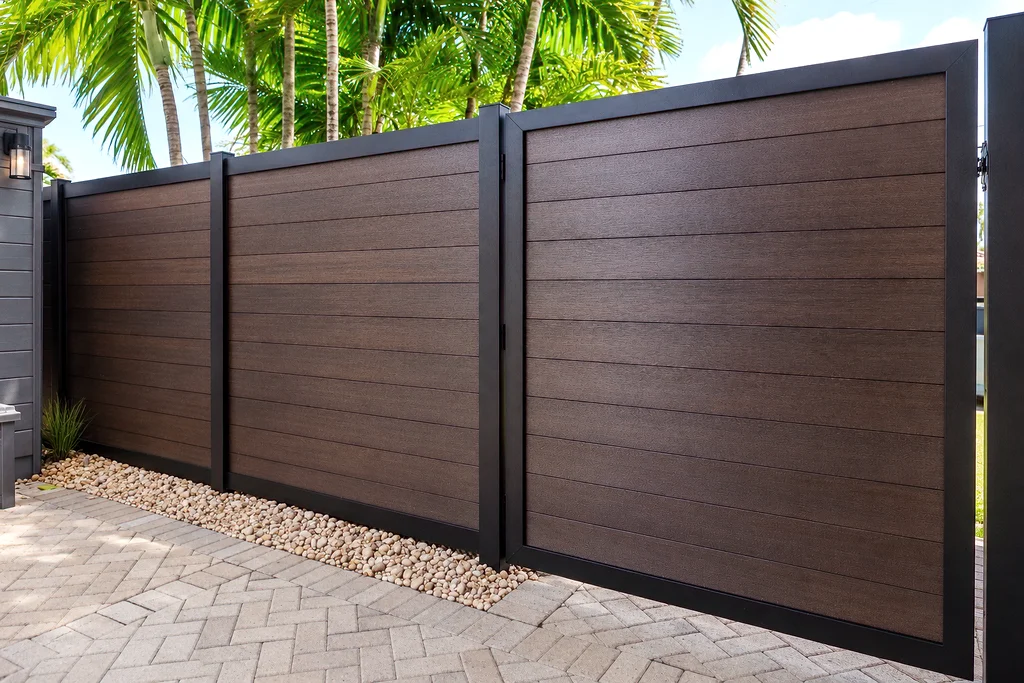
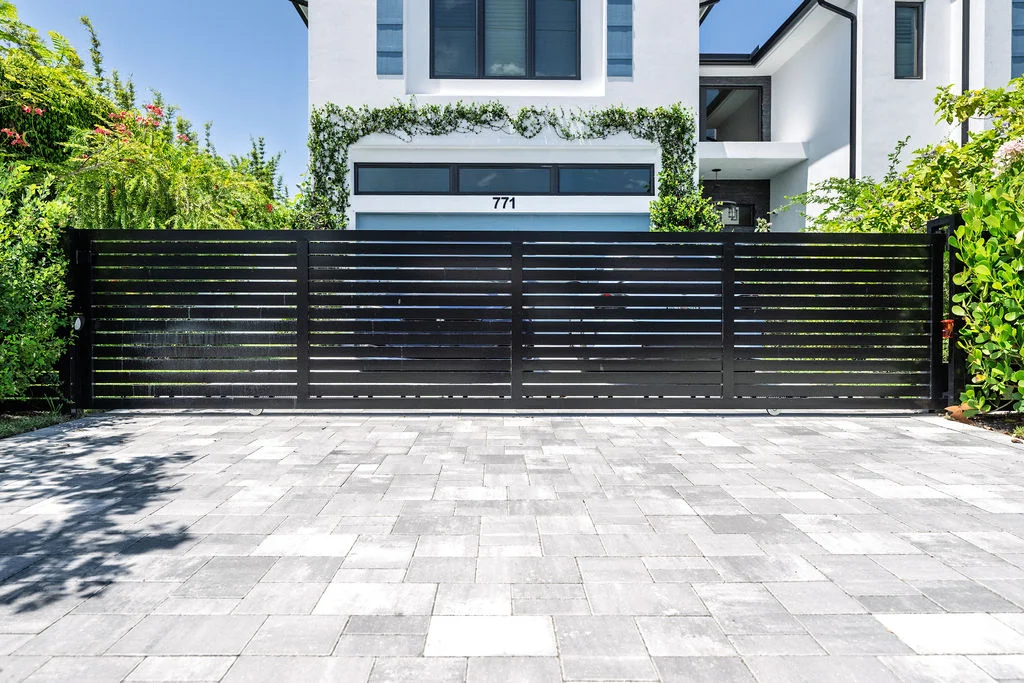
Black Aluminum
01 - Black Aluminum project

Black Aluminum Parkland

Project

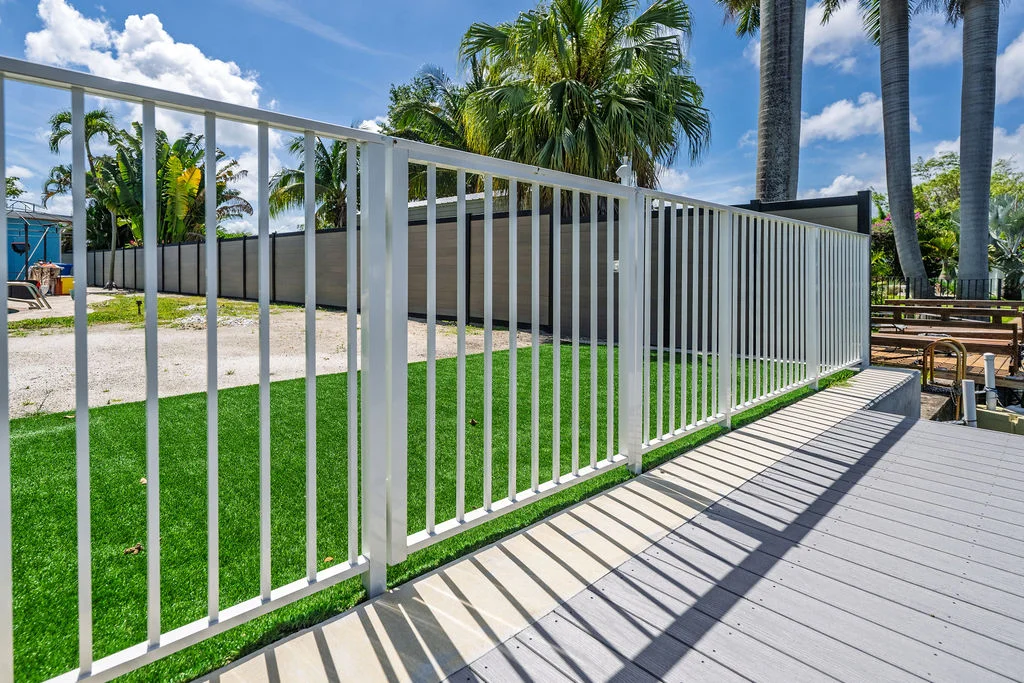
Black aluminum fencing used for a refined residential perimeter with open sightlines.

Case Study ->
Aluminum
02 - Aluminum project

Aluminum Upgrade

Project

An aluminum upgrade planned around clean lines, pool or yard visibility and neighborhood standards.

Case Study ->
Custom Welded
03 - Custom Welded project

Custom Welded Aluminum Upgrade

Project

A custom welded aluminum project with stronger fabrication details and a more tailored finish.

Case Study ->

Fence solutions for Parkland

Every material we install.

No "preferred" Parkland fence material here — the right answer depends on lot size, HOA standards, pool-barrier needs, easements, privacy goals, maintenance expectations and budget. We talk through every option and recommend what fits the property.

01

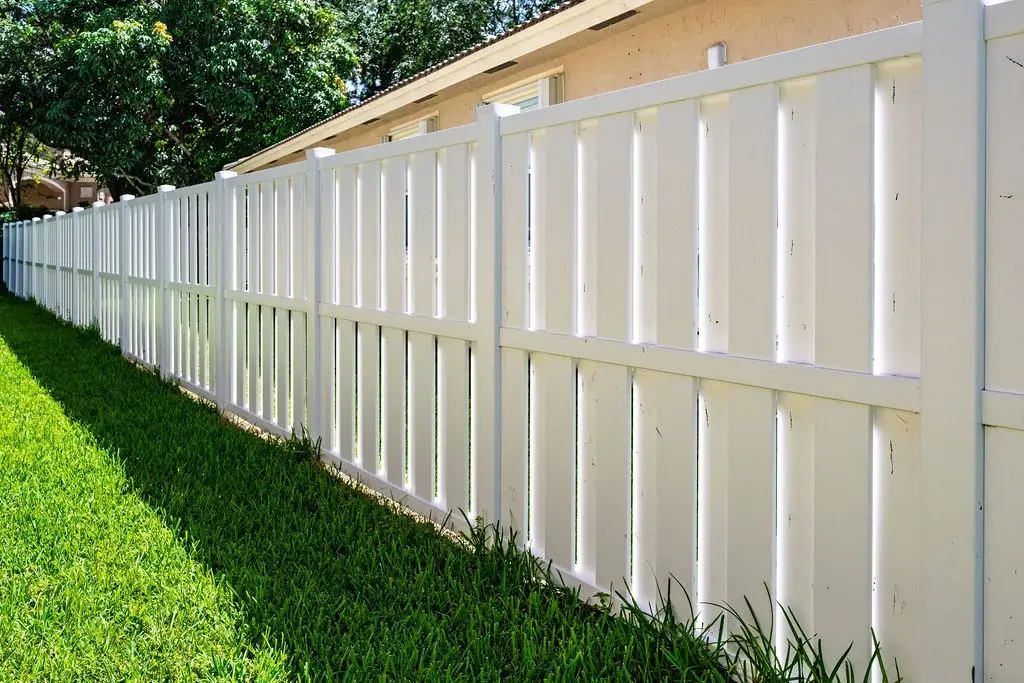
Vinyl Fencing

Explore
02

Aluminum Fencing

Explore
03

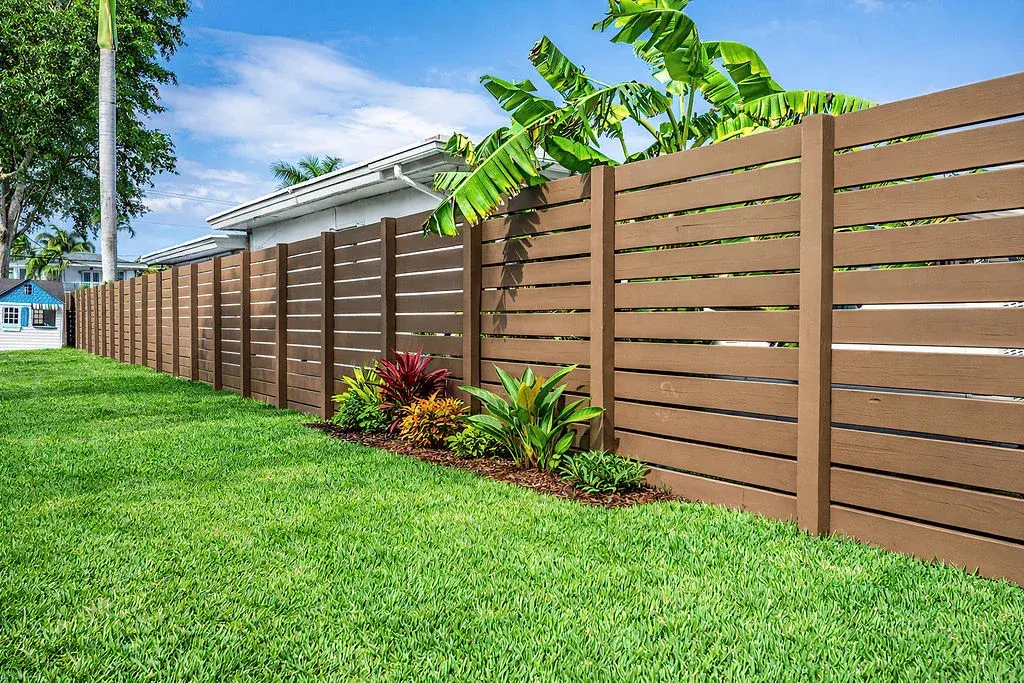
Wood Fencing

Explore
04

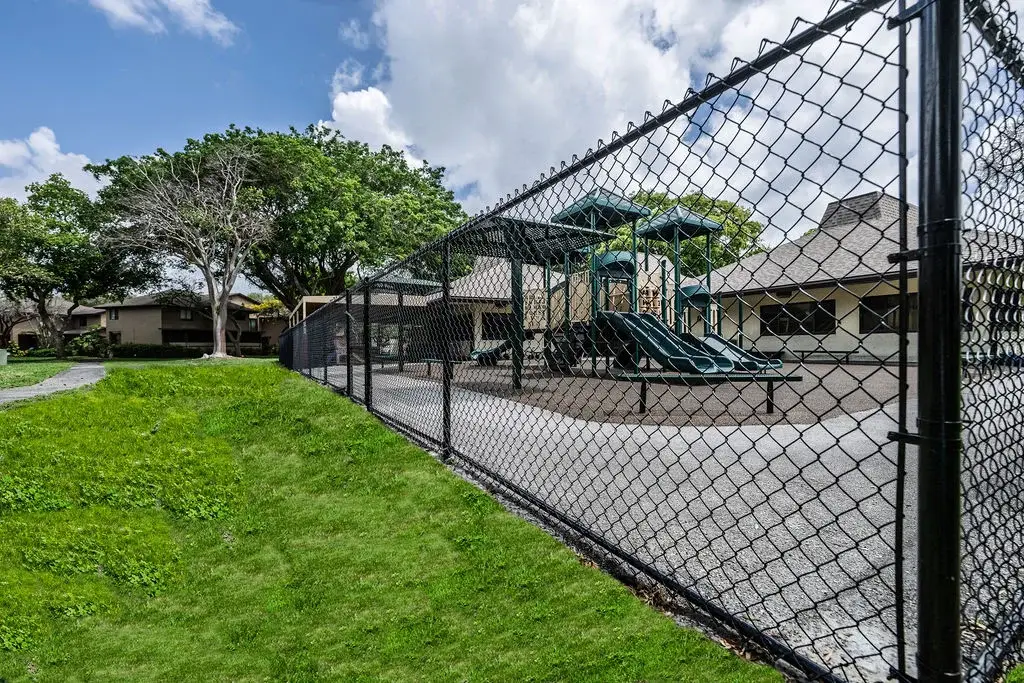
Chain Link Fencing

Explore
05

Composite Fencing

Explore
06

Gates & Automation

Explore
07

Commercial Fencing

Explore
More

Not sure which?

Get a free estimate

Permits & approvals

We help navigate the process.

Surveys, site plans, HOA approvals, fence connection agreements, easement documentation, engineering approvals, permit coordination and inspections — handled end to end. You're on the project, not the paperwork.

Nikki, Permit Coordinator

Coordinator

Nikki handles every Parkland permit submission and HOA package end to end.

  1. 01

    Property surveys

    A current survey establishes property lines, easements and rights-of-way. If you don't have one, we coordinate it.

  2. 02

    Site plans

    The submittal identifies fence location, gate locations, fence type and total fence length — drawn to scale.

  3. 03

    HOA approvals

    Architectural-review packages with color, material and elevation samples your board can sign off on.

  4. 04

    Fence connection agreements

    Where the new fence ties into a neighbor's existing fence, we prepare the agreement before submittal.

  5. 05

    Easement documentation

    Hold harmless letters for work inside recorded easements, with removable access sections detailed.

  6. 06

    Engineering & NOA

    Engineering or Notice of Acceptance documentation for PVC and metal fences, assembled for the packet.

  7. 07

    Sunshine 811

    Utility locates called in before excavation, every job — post-hole digging counts.

  8. 08

    Inspection & closeout

    We meet the inspector on-site, walk the install, close out the permit and send you the final paperwork.

Good to know

Parkland fence questions.

Straight answers to what Parkland homeowners ask us before every project. Still wondering something? Just call — we're happy to talk it through.

How tall can a fence be in Parkland?

Generally 6 feet in required yards. Front yards in the RS-1, RS-2, RS-2.5, RS-3, BCRS-3 and RS-4 districts are limited to 4 feet. Height is measured from finished grade or the adjacent street centerline, whichever is higher.

Can I install an 8-foot fence?

Only where the fence is adjacent to agricultural or non-residential property. On a line shared with another residential lot, 6 feet is the ceiling.

What is the 10-foot visibility rule?

No fence or wall may exceed 2 feet in height within 10 feet of the intersection of a driveway and a street, or of two street lines. It's measured back along each line and closed into a triangle.

Does the visibility rule mean I can't fence near my driveway?

Not at all — you just step the height down through the triangle. Full height picks back up outside it, and with the transition placed thoughtfully the line still reads as one design.

Do I need HOA approval?

In most Parkland communities, yes — and the HOA approval letter is often part of the permit package. Nikki prepares the architectural-review submittal and runs it in parallel with the city application.

Can I connect to my neighbor's fence?

Often yes, but it isn't just a handshake. Parkland may require a fence connection agreement between the two property owners before the permit is approved.

What is a fence connection agreement?

A document in which both owners acknowledge that the new fence ties into the existing neighboring fence at a shared point. We identify the need at the estimate so it doesn't stall the permit later.

Can I install a fence in an easement?

Often yes, but the easement holder's access rights survive the fence. Work inside a recorded easement may require a hold harmless letter, and we detail removable panels so access doesn't mean cutting your fence apart.

What are the pool barrier requirements?

A minimum 48-inch barrier, with gates that are self-closing, self-latching and hung to open away from the pool. Reviews focus on the hardware as much as the height.

Do I need engineering for a PVC fence?

Engineering or Notice of Acceptance documentation may be required for PVC and metal fences. We assemble it as part of the permit packet rather than leaving it to you to chase manufacturers.

What has to be on the permit submittal?

Fence location, gate locations, fence type and total fence length — plus the survey, the HOA letter, and any connection agreement, hold harmless letter or engineering documentation the project needs.

How long does permitting take?

It varies with the city's review queue, HOA meeting schedules and whether revisions are needed. Nikki gives you a realistic window up front and keeps you posted at each step rather than promising a date we can't hit.

Have a question we didn't cover?

Ready when you are

Work with a fence company
that understands Parkland.

Whether you're replacing an aging fence, planning around a pool, navigating HOA requirements, or coordinating permit approvals — Power Fence can guide the process from estimate to final inspection.

Financing available

Fence now. Pay over time.

Power Fence can help customers explore monthly payment options through Wisetack for eligible fence, gate, and railing projects.

UP TO 25K ELIGIBLE PROJECTS Fast customer prequal No prepayment penalty

Ask about financing

Financing subject to credit approval. Payment options are provided by Wisetack lending partners.